Your first flight is a big deal. It's natural to feel excited, nervous, or both. Most of the anxiety around a first flight comes from not knowing what will happen. So let's fix that. I'll walk you through every step, as if I were your personal guide from booking to landing.
Before you book
Pick a short first flight if you can. An hour or two in the air is a gentle introduction. If your first flight has to be long-haul, that's fine too; see my guide to long-haul flights with anxiety.
Choose a morning flight. Morning air is often smoother, airports are less hectic, and you'll have less time to build up worry during the day.
Consider a direct flight. Fewer take-offs and landings, and no connection stress.
Choose your seat. For the smoothest ride, sit over the wing. For an easy exit and a quieter cabin, sit near the front. Aisle seats help with claustrophobia. Read best seats for nervous flyers.
The week before
- Learn the sounds. Read every normal noise on a plane. Knowing what's coming is the most powerful thing you can do.
- Practise breathing. Five minutes a day of slow breathing makes it automatic when you need it. See breathing techniques for flying anxiety.
- Check documents. Passport validity, visas, ID requirements. Many countries need six months' validity left on a passport.
- Check baggage rules. Size and weight limits for cabin and checked bags vary by airline.
- Download entertainment. Films, playlists, podcasts. Don't rely on onboard Wi-Fi.
- Consider travel insurance. It covers cancellations, medical costs and lost bags, and gives peace of mind. See my recommended gear page.
The day before
- Check in online. Usually opens 24 to 48 hours before. Download or print your boarding pass.
- Pack your carry-on calm kit: headphones, phone charger, water bottle (empty for security), snacks, a light jumper, any medication, a pen, and a printed copy of my free guide.
- Liquids: many airports limit liquids in cabin bags to containers of 100 ml in a clear bag. Rules are changing at some airports with new scanners, so check your departure airport.
- Sleep. Go to bed early. Avoid a big night out.
At the airport
Arrive early. About two hours before a domestic flight and three hours before an international one is a good rule, but follow your airline's advice. Rushing raises stress.
Check-in and bag drop. If you have a checked bag, drop it at the airline's desk or bag-drop machine.
Security. Take out laptops and liquids if asked, empty your pockets, remove belts and jackets. It feels hectic, but staff do this all day and are used to first-timers. Just ask.
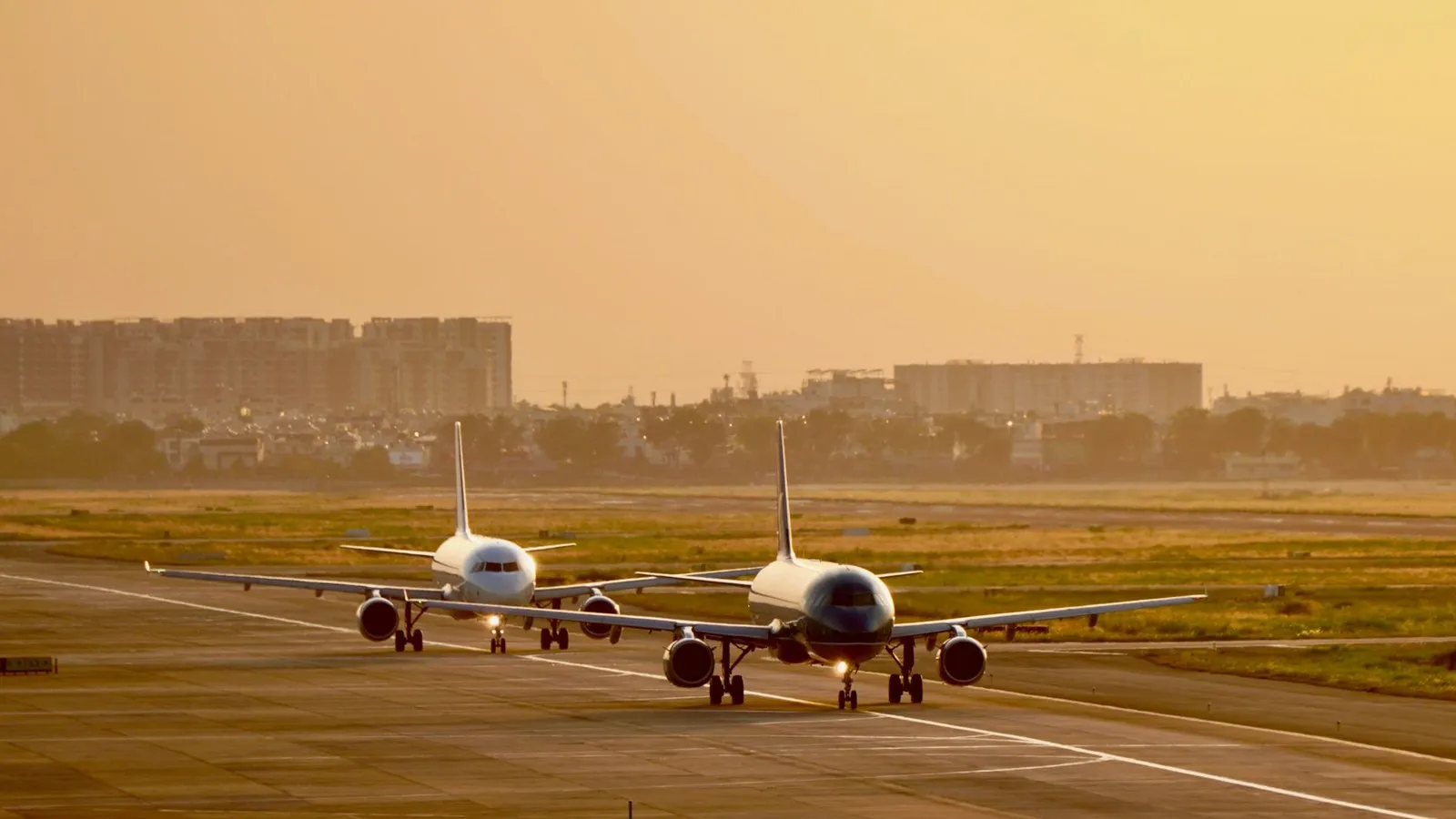
Find your gate first. Then relax. Get a coffee (or decaf), walk around, watch the aircraft. Seeing them take off and land calmly, one after another, is reassuring.
Boarding
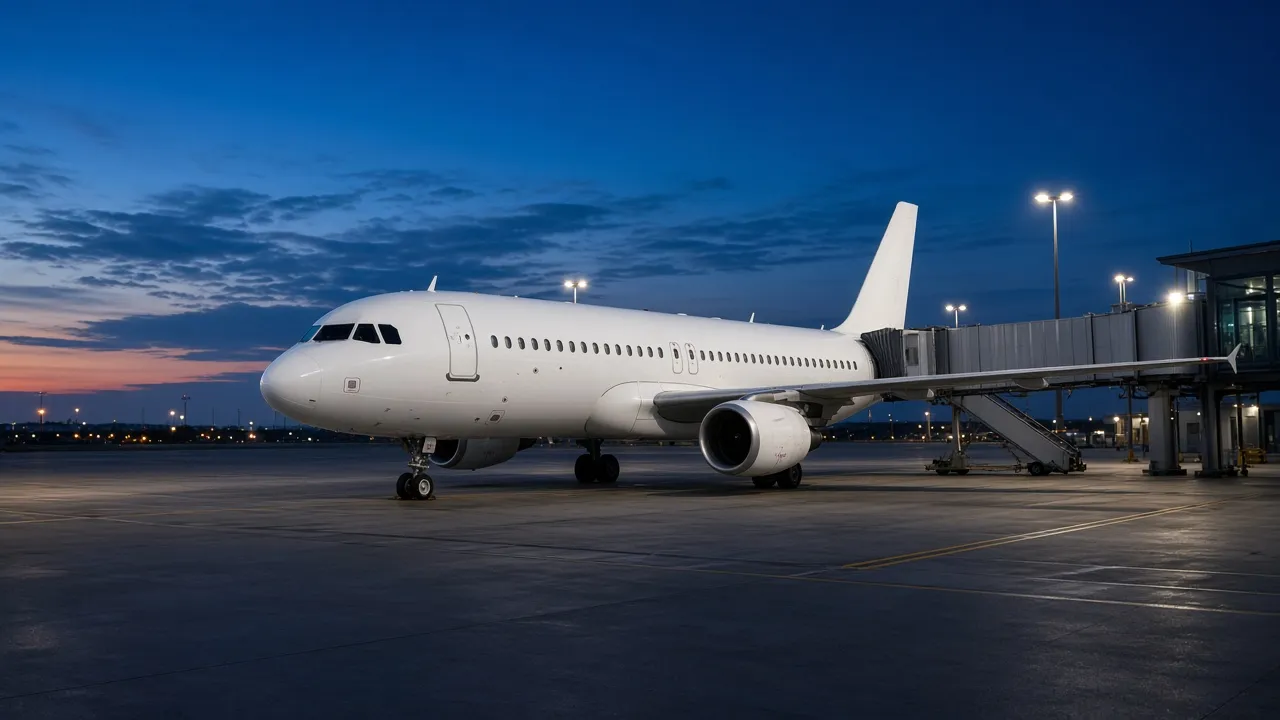
Boarding usually starts 30 to 45 minutes before departure. Find your seat, put your bag in the overhead locker or under the seat in front, and sit down.
Tell the crew. As you board, it's absolutely fine to say, "Hi, it's my first flight and I'm a bit nervous." Cabin crew are trained to help, and many will check on you during the flight.
Listen to the safety briefing. It's not because something is likely to go wrong. It's because being prepared is part of what makes aviation so safe.
Pushback and taxi
The aircraft is pushed back by a tug, then the engines start. You'll hear a rising whine. The air conditioning may pause briefly and lights may flicker. On some aircraft, you'll hear a loud "barking dog" sound from beneath the floor. All normal.
Taxiing to the runway can take a few minutes. You'll feel bumps from the taxiway and hear the flaps extend with a whirring sound.
Take-off
This is the most intense moment, and it's over quickly.
- The engines get loud and you're pressed into your seat.
- The aircraft accelerates down the runway, rumbling.
- The nose lifts, the rumbling stops, you're flying.
- A thud as the landing gear retracts.
- After a minute or two, the engines get quieter as we reduce to climb thrust. This is planned.
Breathe slowly. In for four, out for six. Count your breaths. You'll be airborne before you reach ten.
The climb
You might feel the aircraft turn and hear the flaps retract. Your ears may pop: swallow, yawn or chew gum. Once the seatbelt sign goes off (often around 10,000 feet), you can move around if needed, but keep your belt fastened while seated.
Cruise
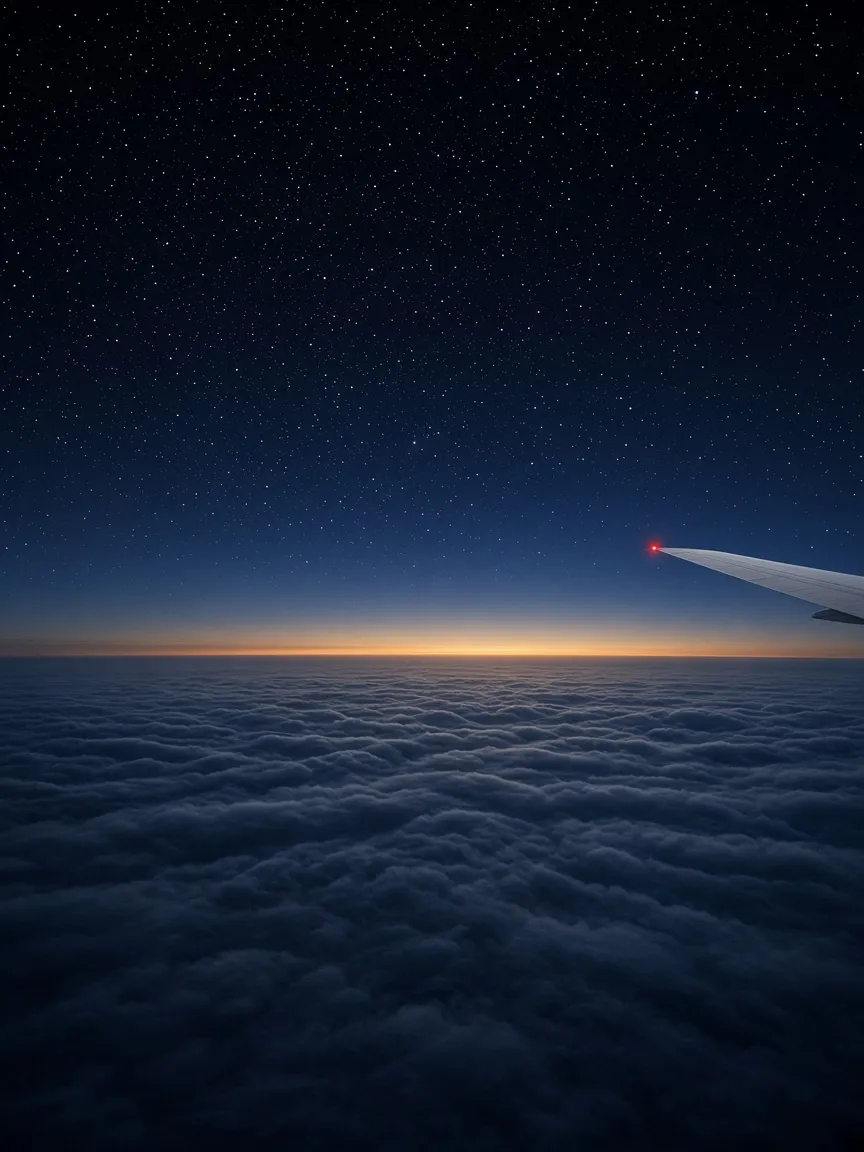
This is usually the calmest part of the flight. Enjoy the view, eat, drink water, watch a film. If there's turbulence, remember: it's uncomfortable, not dangerous. Read is turbulence dangerous? before you go.
Descent and landing
About 20 to 40 minutes before landing, the engines get quieter as we descend. Your ears may feel blocked again. You'll hear flaps extending and then a loud rumble and thud as the landing gear comes down. On touchdown you'll feel a firm bump, then loud engine noise as we use reverse thrust to slow down. Then a gentle taxi to the gate.
After landing
Stay seated until the seatbelt sign goes off. Then gather your things, check your seat pocket, and follow signs for immigration (if international), baggage claim and exits.
Take a moment to notice what you just did. You flew. Many first-timers say the anticipation was much worse than the flight itself.
Common first-flight worries, answered
"What if I panic?" Panic feels awful, but it always passes, usually within minutes. Use the physiological sigh (two breaths in, one long breath out), press your feet into the floor and tell a crew member. You will not be the first nervous passenger they've helped today.
"What if I need the toilet during take-off?" Go before boarding. Once the seatbelt sign is off in the climb, you can get up.
"What if my ears hurt?" Swallow, yawn, sip water or chew gum during climb and descent. If you have a cold, ask a pharmacist about decongestants before flying.
"Will I feel sick?" Most people don't. Sit over the wing, look at the horizon, eat lightly and avoid reading during turbulence.
Quick first-flight checklist
- [ ] Seat chosen (over the wing or near the front)
- [ ] Sounds learned
- [ ] Breathing practised
- [ ] Documents checked
- [ ] Entertainment downloaded
- [ ] Calm kit packed
- [ ] Arrive early
- [ ] Tell the crew
The captain's bottom line
Every pilot was a first-time flyer once, and every frequent flyer had a first flight too. The aircraft, the crew and the whole system around you are built to make your flight safe and routine. Your job is simply to prepare, breathe and let us do ours. Welcome aboard.
Want this in your pocket?
Download my free illustrated PDF, Turbulence & Aircraft Sounds Explained by an Airline Captain, and take it on your next flight.
Get the free guideFrequently asked questions
How early should I arrive for my first flight?
As a general guide, about two hours before a domestic flight and three hours before an international flight, but always check your airline and airport advice.
What should I tell the crew if I'm nervous?
Simply say, "I'm a nervous flyer, it's my first time." Cabin crew help anxious passengers every day and will often check in on you during the flight.
What is the scariest part of a first flight?
Most first-timers find take-off and the first few minutes of climb the most intense, mainly because of the noise and new sensations. Knowing what to expect makes a huge difference.
This article is general information, not medical or professional advice. Always follow instructions from your crew. If fear of flying seriously affects your life, please speak to a doctor or qualified therapist.